Energy efficiency is more important than ever. Not only does it help reduce your carbon footprint, but it can also lead to significant savings on your energy bills. Whether you’re living in a house or an apartment, there are simple yet effective ways to improve energy efficiency at home. This article outlines practical tips that can make a big difference in both your home’s energy consumption and your monthly expenses.
1. Upgrade to Energy-Efficient Appliances
One of the most impactful ways to increase energy efficiency is by replacing old, outdated appliances with energy-efficient models. Look for appliances with the Energy Star label, which indicates that the product meets strict energy efficiency guidelines set by the U.S. Environmental Protection Agency (EPA).
Refrigerators, dishwashers, and washing machines are often the biggest energy consumers in the home. By choosing models that use less energy, you can significantly reduce your household’s overall energy use. For example, an Energy Star-certified refrigerator uses 10-50% less energy than conventional models, which can lead to savings over time.
2. Switch to LED Lighting
Lighting is another area where you can reduce energy consumption. Traditional incandescent light bulbs consume more power and have a shorter lifespan compared to LED bulbs. LEDs use at least 75% less energy and last 25 times longer than incandescent bulbs.
By switching to LED lights throughout your home, you can reduce your lighting costs and make your home more energy-efficient. Additionally, consider using motion sensors or timers for outdoor lighting, which ensures lights are only on when needed.
3. Insulate and Seal Your Home
Proper insulation is key to maintaining a comfortable temperature in your home without overworking your heating or cooling system. If your home is poorly insulated, heat can escape during the winter, and cool air can leak out in the summer. This means your HVAC system has to work harder, using more energy.
Start by adding insulation to your attic and walls. You can also check for air leaks around windows, doors, and other openings. Caulking gaps and adding weatherstripping can make a big difference in preventing drafts. The more airtight your home is, the less energy you’ll need to use to maintain your desired indoor temperature. If you notice any issues with your home’s wiring while checking for drafts, it’s a good idea to call an electrician to ensure that there are no hidden electrical problems that could be affecting your energy efficiency
4. Use Smart Thermostats
Smart thermostats are an excellent investment for any home. These devices learn your heating and cooling preferences and adjust the temperature automatically to optimize energy use. For example, they can lower the temperature when you’re not home and warm it up before you return, ensuring that you’re never wasting energy on an empty house.
Many smart thermostats are compatible with voice assistants like Amazon Alexa or Google Assistant, making it easy to adjust settings remotely. In the long run, installing a smart thermostat can significantly lower your heating and cooling costs by making your HVAC system more efficient.
5. Opt for Energy-Efficient Windows
Windows play a significant role in how much energy your home consumes. Single-pane windows can be poor insulators, allowing heat to escape in winter and enter during summer. Double-pane windows are a better option, as they provide an extra layer of insulation and help maintain a more consistent temperature indoors.
If replacing windows isn’t an option, consider using window films or thermal curtains. These can help reduce heat loss and keep your home cooler in the summer, preventing your air conditioning system from overworking.
6. Reduce Water Heating Costs
Water heating can account for a large portion of your household’s energy consumption. To make this more efficient, start by lowering the temperature on your water heater. Most water heaters are set to 140°F by default, but reducing it to 120°F can provide ample hot water while saving energy.
Additionally, consider installing a tankless water heater, which heats water on demand rather than maintaining a large tank of hot water. This can be especially useful if you only use hot water occasionally, as it avoids the energy waste associated with constantly reheating a full tank.
7. Use Appliances Efficiently
How and when you use appliances can also impact your home’s energy efficiency. For example, try to run the dishwasher only when it’s full and at night, when energy rates are often lower. Similarly, avoid running the dryer during peak energy hours. If possible, air-dry clothes or use a clothesline to save on electricity.
For cooking, using a microwave or slow cooker instead of an oven can cut down on energy usage, as they use less power to achieve the same results. Opt for using pots with lids on the stovetop, which can help food cook faster and reduce the need for additional energy.
8. Invest in Renewable Energy
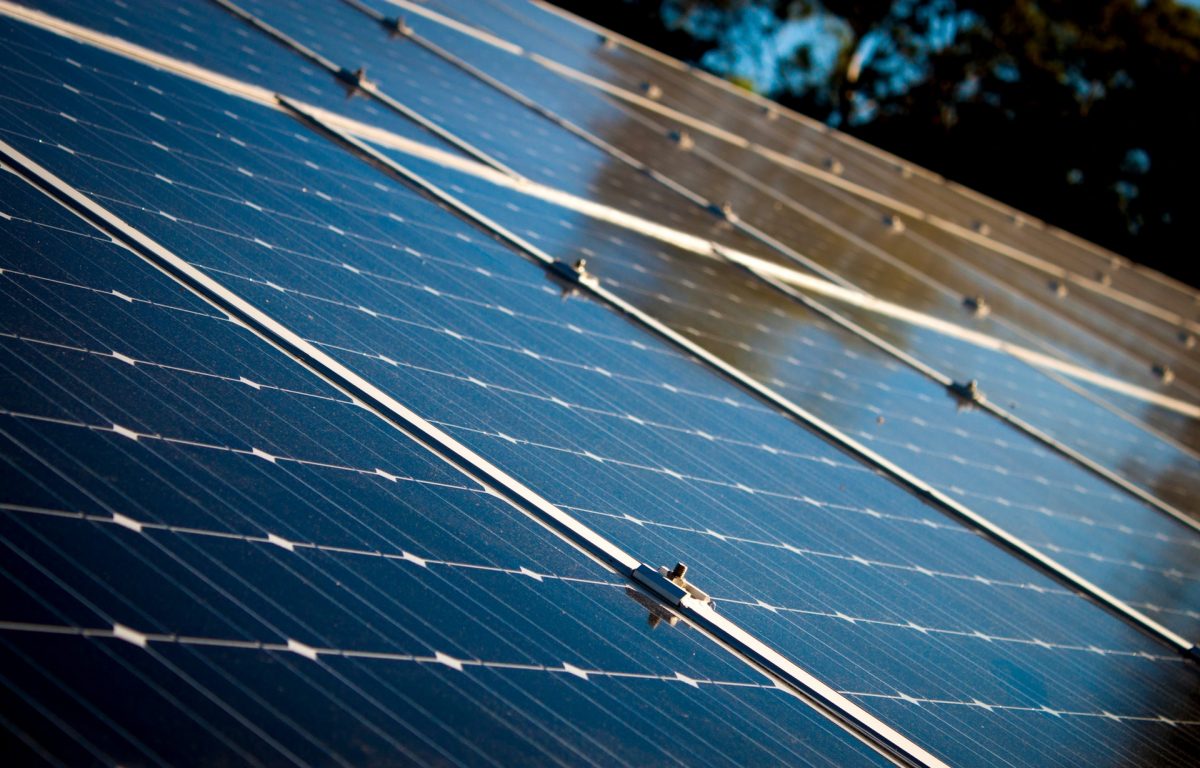
For a more significant energy shift, consider installing solar panels on your roof. Solar energy is a renewable and sustainable way to power your home. While the initial installation cost can be high, there are often incentives or tax credits available to help offset the cost. Over time, you can save money on your electricity bills, and if you generate more power than you use, you may even receive credits or payments from your utility company.
If solar panels are not a viable option, you could look into purchasing green energy from your utility provider. Many utilities offer customers the option to support renewable energy by purchasing electricity generated from wind, solar, or other sustainable sources.
9. Unplug Unused Devices
Many household electronics consume energy even when they are turned off. This is known as “phantom energy” or standby power. Unplugging unused devices, such as televisions, chargers, and computers, can help reduce unnecessary energy consumption. Alternatively, you can plug multiple devices into a power strip and turn off the strip when not in use.
10. Practice Energy-Conscious Habits
Simple changes to your daily habits can also lead to energy savings. Turning off lights when leaving a room, taking shorter showers, and using fans instead of air conditioning are all small actions that add up over time. The more mindful you are of your energy usage, the more efficiently you’ll be able to run your household.
Conclusion
Becoming more energy-efficient at home is not just about making major investments in appliances or home improvements. Small changes in how you use energy on a daily basis can also lead to noticeable improvements in efficiency. By implementing these strategies, you’ll save money, reduce your environmental impact, and enjoy a more comfortable living space. Start with a few of these tips and gradually work towards making your home as energy-efficient as possible.




 Miley on January 17, 2025
 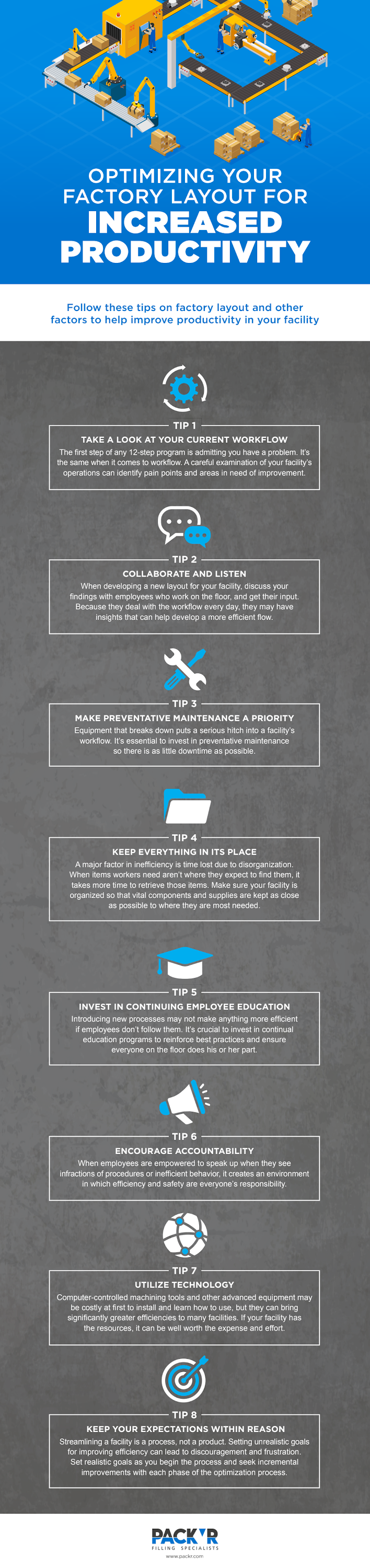 Infographic provided by PACK’R, a provider of a liquid filling machine