The automotive industry is one of the most complex and interconnected sectors in the world. From raw materials to components and finished vehicles, the automotive supply chain involves multiple layers of suppliers, manufacturers, logistics providers, and retailers. With so many moving parts, it’s no surprise that supply chain transparency has become a critical issue for automotive manufacturers. Delays, inefficiencies, and lack of visibility can cause significant disruptions, leading to increased costs, production delays, and a lower level of customer satisfaction.
One of the most effective solutions for improving supply chain transparency is the adoption of cloud technology. By harnessing the power of the cloud, automotive manufacturers can gain real-time visibility into every stage of their supply chain, enabling better decision-making, improved collaboration, and more efficient operations. In this article, we will explore how cloud technology is transforming supply chain management in automotive manufacturing solutions and the key benefits it offers.
1. Real-Time Data Access and Monitoring
One of the primary challenges in automotive manufacturing supply chains is the inability to track and monitor components in real-time. Without real-time data, manufacturers face difficulty in identifying issues before they escalate, such as potential delays in production or shortages in critical parts. This lack of visibility can lead to costly production downtime and missed deadlines.
Cloud-based supply chain solutions provide manufacturers with the ability to monitor their entire supply chain in real time. By collecting data from sensors, RFID tags, and IoT devices, cloud technology allows manufacturers to track the movement of parts and components at every step of the process—from suppliers to assembly lines and beyond. This immediate access to data enables manufacturers to:
● Identify bottlenecks in the supply chain quickly
● Monitor inventory levels and production progress
● Predict potential disruptions and take proactive steps to address them
With real-time tracking and monitoring, automotive manufacturers can improve production timelines, reduce waste, and ensure that components are available when needed, all of which lead to enhanced efficiency and cost savings.
2. Enhanced Collaboration Across the Supply Chain
The automotive supply chain typically involves many different stakeholders, including parts suppliers, sub-assemblers, logistics companies, and dealerships. Without effective communication and collaboration between these parties, information silos can develop, making it difficult for manufacturers to make informed decisions or respond quickly to changes in demand.
Cloud technology provides a centralized platform for sharing data, enabling seamless communication between all participants in the supply chain. By using cloud-based solutions, automotive manufacturers can:
● Share real-time updates on inventory levels, production schedules, and order statuses
● Collaborate with suppliers and logistics partners to adjust production plans in response to changes in demand or disruptions
● Ensure accuracy and consistency by having all stakeholders access the same set of up-to-date information
This improved collaboration reduces the risk of miscommunication, enhances decision-making, and fosters better relationships with suppliers and partners, ultimately leading to a more efficient and responsive supply chain.
3. Improved Forecasting and Demand Planning
Accurate demand forecasting is a key component of supply chain management in automotive manufacturing. Manufacturers need to ensure that they have the right amount of parts and components at the right time to meet customer demand. However, relying on historical data alone can result in inaccurate predictions, leading to overstocking or understocking and unnecessary delays in production.
Cloud-based platforms, particularly those powered by artificial intelligence (AI) and machine learning (ML), are revolutionizing demand forecasting in the automotive industry. By integrating real-time sales data, production schedules, and market trends, manufacturers can:
● Predict future demand more accurately
● Optimize inventory management by aligning supply with actual demand
● Adjust production schedules to avoid overproduction or stockouts
By using cloud technology to improve forecasting, automotive manufacturers can reduce excess inventory, minimize storage costs, and enhance their ability to respond to market fluctuations quickly and efficiently.
4. Increased Supply Chain Resilience
Global supply chains have been tested in recent years, with events such as the COVID-19 pandemic, natural disasters, and geopolitical tensions disrupting production schedules and causing delays. Automotive manufacturers need a flexible and resilient supply chain that can adapt quickly to unforeseen events. Cloud technology is key to achieving this level of flexibility.
With cloud-based solutions, automotive manufacturers can:
● Monitor supply chain risks in real time by gathering data on potential disruptions, such as shortages in raw materials or delays in transportation
● Implement scenario planning by simulating the impact of various disruptions and identifying alternative strategies to maintain production schedules
● Quickly adapt to changes by accessing real-time data and collaborating with suppliers and partners to adjust plans accordingly
By improving supply chain resilience with cloud technology, manufacturers can reduce the impact of disruptions and ensure continuity in production, even during challenging circumstances.
5. Greater Compliance and Traceability
As the automotive industry becomes more globalized, manufacturers are facing increasing pressure to comply with international regulations, such as those related to safety standards, environmental regulations, and trade compliance. Maintaining compliance across a vast supply chain can be difficult, especially when working with suppliers in multiple countries, each with their own set of requirements.
Cloud technology helps automotive manufacturers streamline compliance by providing a centralized repository for all supply chain data. This allows manufacturers to:
● Track and document the origin of parts and components, ensuring compliance with regulations such as the Conflict Minerals Rule and the EU REACH regulation.
● Monitor supplier certifications and audits to ensure that they meet industry standards and regulatory requirements.
● Automate compliance reporting, reducing the time and effort required to generate reports for regulatory bodies.
By leveraging cloud technology, automotive manufacturers can ensure greater compliance, reduce the risk of legal penalties, and enhance supply chain transparency.
6. Cost Savings and Efficiency
Ultimately, one of the most compelling reasons to adopt cloud technology in automotive manufacturing is the potential for cost savings and increased operational efficiency. Cloud-based solutions eliminate the need for costly on-premise infrastructure and allow manufacturers to scale their supply chain operations more easily. With the cloud, manufacturers can:
● Reduce IT maintenance costs by shifting infrastructure and data management to cloud providers
● Improve resource utilization by accessing real-time data and optimizing production schedules
● Streamline inventory management by reducing overstocking and understocking through better demand planning and forecasting
By improving supply chain visibility and efficiency, cloud technology helps automotive manufacturers lower operational costs while improving overall performance.
Conclusion
As the automotive industry continues to evolve, the need for better supply chain transparency has never been more critical. Cloud technology is playing a transformative role in improving visibility, enhancing collaboration, increasing efficiency, and ensuring resilience in the face of disruptions. By adopting cloud-based solutions, automotive manufacturers can optimize their supply chain processes, reduce costs, and ultimately deliver higher-quality products to their customers. With real-time data access, improved forecasting, and better collaboration, cloud technology is helping the automotive industry adapt to the challenges of today and prepare for the opportunities of tomorrow.



 Miley on March 5, 2025


 Infographic provided by TextUs, a provider of an
 Infographic provided by Fairfield University, a provider of a



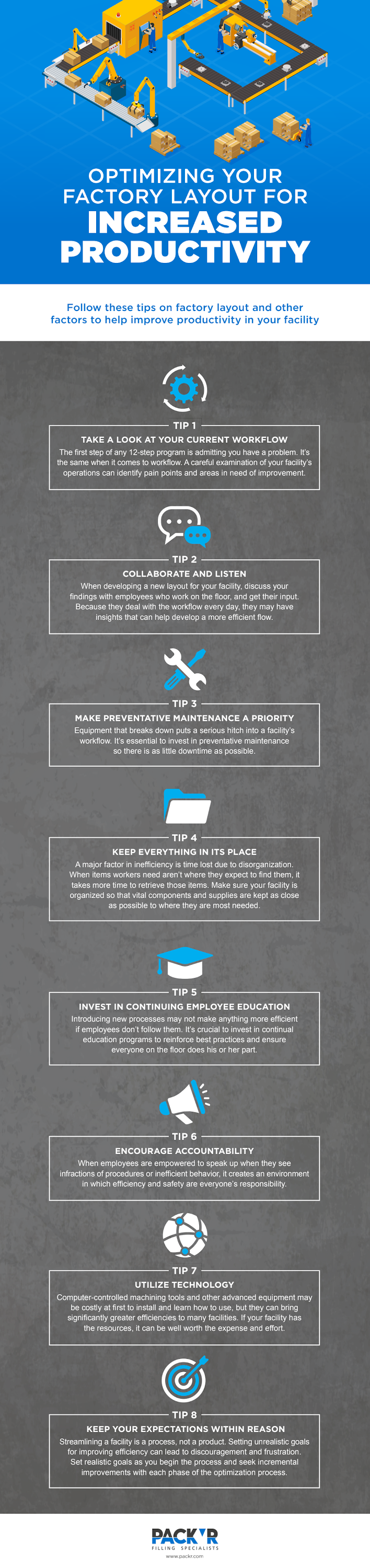 Infographic provided by PACK’R, a provider of a