

Month: October 2026

Uncategorized

Protecting CCTV Cameras and Exposed Network Equipment – 3 Solutions Compared

At a Glance

Protecting technology in exposed environments requires more than simply placing equipment inside a standard enclosure. You need to consider impacts, tampering, weather, maintenance and equipment performance. This guide compares three protective approaches from Oystashell®, Ventev and Chatsworth, helping you understand their intended applications and identify the factors that should influence your choice before installation.

Choose The Right Protection for Exposed Technology

CCTV cameras and exposed network equipment face different challenges depending on where they are installed. Surveillance cameras may need protection against tampering, impact and ligature risks, while wireless access points and antennas often require enclosures that protect against weather and environmental exposure.

Choosing the right solution means considering the equipment, its installation environment and the type of protection required. This guide compares three approaches, from purpose-designed CCTV covers to enclosures for wireless networking infrastructure, to help you understand which features are relevant to your site.

1. Oystashell
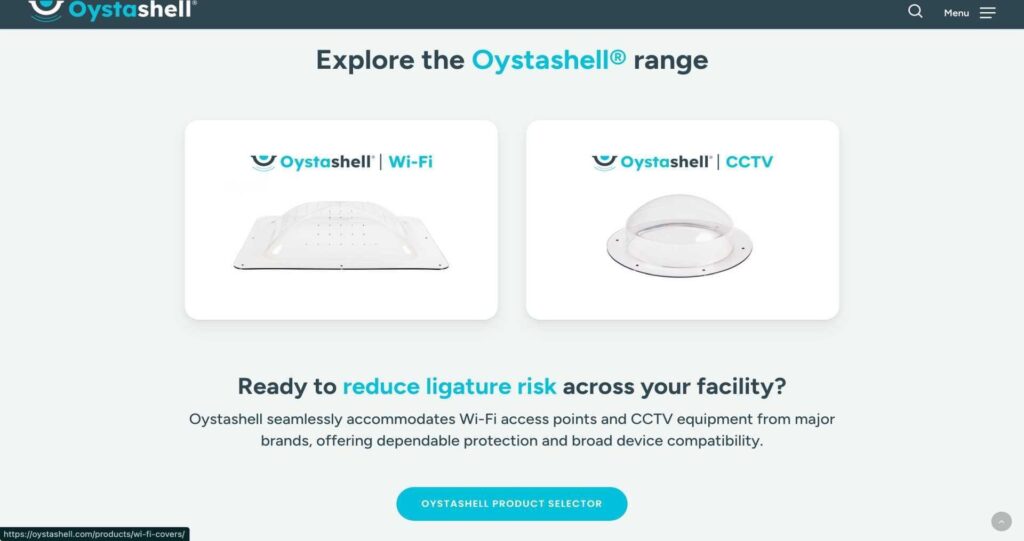
When protecting CCTV in demanding environments is your priority, Oystashell provides a purpose-built approach. They develop protective covers for Wi-Fi and CCTV equipment, with their CCTV range designed to help safeguard cameras from impact, tampering, vandalism and environmental exposure.

You can choose from several CCTV covers depending on your camera and installation requirements. The Oystashell 4 is designed for standard dome cameras up to 140mm in diameter, while the 4C accommodates corner-mounted installation and the 4L provides additional space for larger-format dome cameras. They also offer the 4-360, which is designed around the Verkada CF83-E fisheye camera.

Protection Keeping CCTV in Mind

The covers use 3mm riot-shield-grade polycarbonate, giving surveillance equipment a strong protective barrier without compromising camera visibility. The smooth profile supports anti-ligature considerations, which is relevant when cameras are installed within healthcare, custodial or other high-risk environments.

You can protect exposed cameras without surrounding them with a bulky metal cage. The low-profile design fits more neatly into the surrounding space, while anti-tamper screw kits provide additional protection against unauthorised access.

Suitable for Demanding Locations

You can use Oystashell CCTV covers in settings including hospitals, mental health facilities, schools, transport environments, custodial sites and public buildings. They are designed for cameras positioned in corridors, communal areas, entrances and exits where equipment remains vulnerable to accidental or deliberate damage.

The 4C is designed for dome cameras mounted at corner junctions, such as corridors, stairwells and entrance lobbies. If you need a protective solution for CCTV, Oystashell offers several formats to consider for your camera requirements. To discuss your cameras and location, contact them by phone, email or through the enquiry form.

2. Ventev

Ventev approaches equipment protection from a broader wireless infrastructure perspective, with products designed primarily for access points, antennas and networking equipment. Their range includes polycarbonate enclosures for demanding indoor and outdoor applications where equipment is exposed to weather, tampering or physical interference.

Protection for Outdoor Infrastructure

Their 12 x 10 x 4-inch NEMA 4X polycarbonate enclosure is designed for outdoor environments including stadiums and arenas. The enclosure uses a solid screw cover with tamper-resistant Torx-style screws.

Consider Your Equipment First

Ventev is relevant when your site contains several forms of exposed networking infrastructure that need protection. Their products combine environmental protection, tamper resistance and wireless performance, which is useful when connectivity equipment must remain operational in demanding locations.

This differs from purpose-designed CCTV protection. Oystashell uses riot-shield-grade polycarbonate in its camera covers, with designs that address anti-ligature and anti-tamper considerations. Ventev’s featured enclosure, by contrast, is for networking equipment, so the two approaches serve different installation requirements and are not direct substitutes.

However, if your requirement is specifically CCTV protection, check compatibility carefully before selecting an enclosure. Ventev’s enclosure portfolio is built for networking equipment rather than surveillance cameras.

3. Chatsworth Products

Chatsworth Products offers another approach through their Oberon wireless enclosures and mounts. Rather than focusing on CCTV cameras, their solutions protect wireless access points, antennas and associated networking equipment across indoor, outdoor and industrial environments.

Outdoor and Industrial Protection

The Oberon Skybar Environmental Enclosure 3000 provides an outdoor concealment solution for Wi-Fi access points, antennas, remote radio heads, cabling and connectors. Its rugged ABS construction is designed for outdoor use while remaining virtually transparent to wireless signals.

For locations where mounting equipment to a building or pole is impractical, consider Oberon NetPoint wireless bollards. These provide a secure way to house wireless equipment in open public spaces, while their construction offers environmental protection in conditions including falling rain, sleet and snow.

A Wider Infrastructure Approach

The materials and intended applications also distinguish these products from CCTV covers. Chatsworth’s featured wireless enclosures use ABS to house networking equipment, whereas Oystashell’s camera covers use riot-shield-grade polycarbonate and are made with anti-ligature and anti-tamper considerations in mind. The right choice depends on the equipment being housed and the specific risks at the installation site, not just the material.

To Sum Up

Before choosing protection for an exposed installation, start by identifying what needs protecting. CCTV cameras have different requirements from wireless access points, especially around visibility, viewing angles and mounting positions. Consider the equipment first, rather than choosing an enclosure because it appears physically robust.

Finally, think about how the enclosure affects performance. Your CCTV cover should preserve the camera’s intended visibility, while wireless enclosures should avoid interfering with signal performance. By comparing the application, construction and installation requirements, you can choose protection that supports your equipment without creating new practical problems.


Uncategorized

Mitsubishi Service in Centre Zetland Essential Home Improvement Guide for Australian

Getting the right Mitsubishi service In Centre Zetland means your home’s climate‑control & vehicle run smoothly all year round. Guide walks you through local weather impacts, how to book an appointment, what technicians will do, and how to pick a reputable service centre… You’ll also learn quick DIY checks, the importance of a solid service schedule, and where to find trustworthy reviews, all tailored to the specific conditions of Zetland’s high‑rise apartments and townhouses.

Understanding Local Climate Impact on Mitsubishi Systems

Centre Zetland sits on the harbour edge, so you get hot, humid summers and mild, breezy winters. Those salty sea breezes can accelerate corrosion on outdoor units, while the humidity encourages mold in HVAC ducts. Regular HVAC maintenance and proper cleaning can also help prevent moisture-related problems, as explained in our guide to preventing mold formation in HVAC units. From what I’ve seen, a yearly check‑up prevents the common “clog‑and‑freeze” issue that hits many homes after a summer storm.

Why regular air‑conditioner service matters

The heat waves in 2026 pushed temperatures past 35 °C for weeks, demanding peak performance from your Mitsubishi split system. A clean filter and a well‑charged refrigerant keep the unit from over‑working, which in turn protects your electricity bill from spikes… In my experience, homes that skip the mid‑year service see a 15 % drop in efficiency.

Heating system considerations in winter…

Even though winters are mild a sudden cold snap can expose a faulty heat pump coil. The coastal dampness means the indoor coil can develop frost if the defrost cycle isn’t calibrated correctly. A professional service will adjust the sensor and verify the pump’s back‑up heat source keeping your living room comfortable without noisy cycling.

Scheduling Your Mitsubishi Service Appointment in Centre Zetland

Most owners use the Mitsubishi service appointment online Portal, which lets you pick a slot at the local service centre on Zetland Road. The site shows real‑time availability, so you can slot a visit after work without waiting on the phone. If you prefer a call, the centre’s dedicated line routes you directly to a technician who knows the neighbourhood’s building codes.

Using the Mitsubishi service appointment online portal

The portal asks for your address, device model, and a brief description of the issue. You submit, you receive an email confirming the date, time, and the name of the technician assigned. Here’s the thing: the system also sends a reminder 24 hours before the visit, reducing missed appointments.

Timing your service for optimal performance

Spring is the sweet spot for air‑conditioner checks because the unit hasn’t yet endured the summer load. Heating, schedule a visit in early autumn to catch any coil wear before temperatures dip. Aligning service with the Mitsubishi service schedule Recommended by the manufacturer ensures warranty compliance.

What to Expect During a Typical Mitsubishi Service Visit

A certified Mitsubishi technician arrives with a toolbox stocked with genuine parts and a tablet for diagnostics. They first run a quick visual inspection, then connect the unit to a diagnostic interface to read error codes. From there, they perform a thorough cleaning, refrigerant level check, and performance test.

Inspection checklist

  • Verify outdoor coil cleanliness and remove debris.
  • Check refrigerant pressure and top‑up if required.
  • Inspect electrical connections for corrosion.
  • Test thermostat accuracy and recalibrate if needed.
  • Run a full‑cycle performance test and record efficiency.

Common repairs and parts replacement…

Typical issues include a worn compressor clutch, cracked condensate drain, and a malfunctioning fan motor. When a part needs replacement, the technician will use Mitsubishi parts and accessories australia Stock guaranteeing compatibility. In most cases the repair is completed within the same visit so you’re not left waiting for a follow‑up.

Mitsubishi Vehicle Maintenance in Sydney: Extending Life of Your Car

Beyond home appliances, many Zetland residents own Mitsubishi cars that require regular service at the local centre. The same principles of timely maintenance apply: oil changes, filter swaps, and brake checks keep the vehicle safe on busy city streets… Honestly, the Mitsubishi vehicle maintenance sydney Guidelines recommend a service every 10 000 km or 12 months whichever comes first.

Brake service NSW specifics

Braking in heavy traffic can wear pads faster, especially on the steep approaches to the airport… See, a qualified technician will measure pad thickness, inspect rotors for warping, and replace fluid if it’s contaminated. The Mitsubishi brake service nsw Team uses OEM brake pads that match the car’s original performance specs.

Parts and accessories availability

When a component fails, the centre orders the exact OEM part from the Australian distribution network, usually delivering it within 48 hours… See, this rapid turnaround means you won’t be stuck without a working vehicle for long. The same supply chain supports home‑system parts, ensuring you get the right coil or fan.

Managing Service Costs and Estimates Without Breaking the Bank

While we can’t quote dollars, the service centre provides a detailed estimate before any work begins. The estimate breaks down labor, parts, and any additional testing fees, so you know exactly what you’re authorising. Transparency builds trust, especially when you’re dealing with both home and vehicle systems.

How to get a transparent estimate

Ask the technician to run a diagnostic scan and print the results. The scan shows error codes performance metrics, & any components that fall outside normal ranges. With that data the centre can give you a line‑item estimate that matches the observed issues.

Value of preventative maintenance

Preventative service can delay costly breakdowns by months, sometimes years. For example, cleaning the evaporator coil each year reduces the chance of a refrigerant leak, which would otherwise require a full system replacement. The same logic applies to vehicle oil changes – they keep the engine lubricated and reduce wear.

Leveraging Reviews and Reputation for Choosing a Service Centre

Word‑of‑mouth matters in Zetland, where neighbours often share their experiences on community forums look for recent reviews that mention punctuality, professionalism, and the quality of parts used. A centre with a high rating for Mitsubishi service centre zetland Is likely to respect the local building standards and climate challenges.

Where to find reliable Mitsubishi service reviews Zetland…

Check the Google Business profile, the local Facebook community page, and the Australian Consumer Review site. Filter reviews by “air‑conditioner” or “vehicle” to see how the centre handles each type of service. Consistent praise for thorough diagnostics is a good sign.

Red flags to watch out for…

Beware of businesses that promise “instant fixes” without a diagnostic report. Also, a lack of clear communication about parts origin can indicate counterfeit components. If a centre pushes a full system replacement after a single minor fault, that’s a warning sign.

DIY Checks Between Professional Visits…

Even with a solid service schedule, a few simple tasks can keep your Mitsubishi equipment in top shape. Regularly inspect the outdoor unit for leaves or bird nests, and keep the surrounding area clear. A quick visual scan each month catches debris before it clogs the fins.

Filter cleaning for air‑conditioners

Remove the front panel, take out the filter, and rinse it with warm water. Let it dry completely before reinstalling… A clean filter improves airflow and reduces strain on the compressor, extending its life.

Thermostat calibration basics

Set the thermostat to a known temperature then measure the room with a digital thermometer. If there’s a discrepancy of more than 2 °C adjust the thermostat’s calibration setting according to the user manual. This simple step ensures the system runs only when needed.

Conclusion

By understanding the local climate, using the online booking tools, and staying on top of the service schedule, Zetland homeowners can keep their Mitsubishi air‑conditioners, heaters, and vehicles running efficiently. Regular professional checks, combined with simple DIY maintenance, protect your investment and maintain comfort throughout the year. For reliable maintenance, schedule your Mitsubishi service Today.