


Ever found yourself standing ankle-deep in murky water during your morning shower? Or perhaps you’ve watched in horror as your kitchen sink refuses to drain after a Sunday roast? If you’re a Burwood homeowner, chances are you’ve experienced the frustration of blocked drains at some point. But here’s the thing – most drainage disasters are entirely preventable.
Blocked drains are one of the most common plumbing headaches Australian households face. They’re inconvenient, smelly, and can quickly escalate into expensive repairs if left unchecked. The real cost of ignoring drainage issues goes beyond the immediate hassle. We’re talking water damage to your property, potential health risks from stagnant water, and repair bills that could set you back hundreds – sometimes thousands – of dollars.
In this guide, we’ll walk you through five practical tips to keep your drains flowing freely all year round. You’ll discover what causes blockages in the first place, learn the warning signs to watch for, and pick up some handy maintenance tricks. Plus, we’ll cover when it’s time to call in the professionals and what to expect from local blocked drain services in Burwood. Ready to say goodbye to drainage dramas? Let’s get stuck into it.
What Causes Blocked Drains in Australian Homes?
Understanding what causes blockages, the first step is towards preventing them. Different areas of your home face unique challenges and knowing these can help you stay one step ahead.
Common Culprits in Kitchen Drains
Your kitchen sink cops a lot of abuse. Grease, fat, and oil are the biggest troublemakers here. When you pour cooking oils down the drain, they might flow easily while hot. But once they cool, they solidify and stick to pipe walls, creating a sticky trap for everything else that follows.
Food scraps and coffee grounds are another major issue. Even with a garbage disposal, small particles accumulate over time. Coffee grounds, in particular, clump together and create stubborn blockages that are surprisingly difficult to shift.
Bathroom Drain Blockages
Hair is the number one enemy of bathroom drains. Combined with soap scum, it forms dense, matted clogs that slow water flow to a trickle. Foreign objects like cotton buds, dental floss, and product build-up from shampoos and conditioners only make matters worse.
Outdoor Drain Problems
Burwood properties often deal with tree root intrusion – a sneaky problem that develops underground. Roots naturally seek out moisture, and your drainage pipes are basically an all-you-can-drink buffet. Leaf litter and garden debris blocking outdoor drains is equally problematic, especially during autumn.
How Do You Know If Your Drain Is Blocked?
Spotting the early warning signs can save you from a full-blown plumbing emergency. So, what should you look out for?
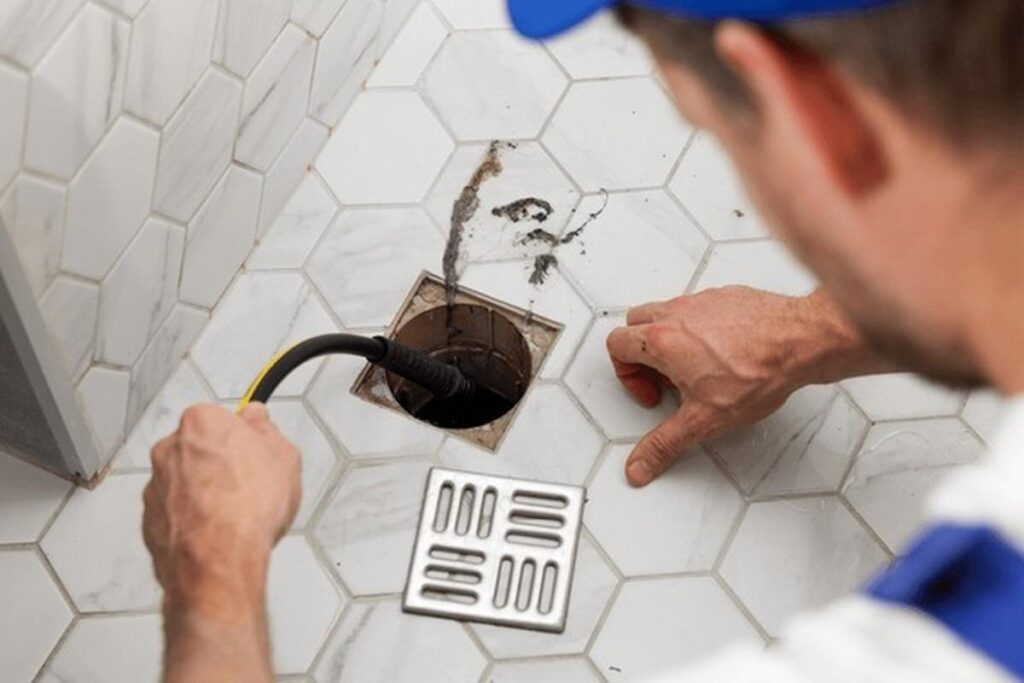
Gurgling sounds from your drains are a telltale sign that air is trapped somewhere in the system. Bad odours wafting up from plug holes indicate organic matter is decomposing in your pipes. Water draining slowly from sinks, showers, or baths suggests a partial blockage is forming.
When is a slow drain considered blocked? If water takes more than a few seconds to disappear, you’ve likely got a problem brewing. Multiple slow drains throughout your home point to a main sewer line issue – and that’s definitely something you shouldn’t ignore.
Tip 1: Install Drain Guards and Strainers
This simple fix is remarkably effective. Drain guards and strainers act as your first line of defence, catching debris before it enters your pipes.
How Do Drain Covers Prevent Blockages?
These mesh or silicone screens sit over your plug holes and trap hair, food scraps, and other solids. They’re cheap, easy to install, and incredibly effective at reducing blockage risk.
Best Placement for Maximum Protection
Pop strainers in every drain – kitchen sinks, bathroom basins, showers, and laundry tubs. Clean them regularly by simply removing the collected debris and giving them a rinse. This two-minute task can prevent hours of plumbing headaches down the track.
Tip 2: Be Mindful of What Goes Down Your Drains
Prevention starts with awareness. What you put down your drains matters enormously.
What Should You Never Put Down a Kitchen Sink?
– Cooking oils, fats, and grease
– Coffee grounds and tea leaves
– Rice, pasta, and starchy foods
– Eggshells and fibrous vegetables
– Meat scraps and bones
Instead, scrape plates into the bin and wipe greasy pans with paper towel before washing. It’s a small habit that makes a massive difference.
Can You Pour Boiling Water Down the Drain to Prevent Blockages?
Yes, actually! Running boiling water down your kitchen sink once a week helps dissolve grease build-up and keeps things flowing smoothly. It’s a quick, free, and eco-friendly maintenance trick. Just be careful with older PVC pipes – warm water is safer in those cases.
Tip 3: Regular Maintenance and Cleaning Routines
Consistency is key when it comes to drain health. A little regular attention prevents major problems.
How Often Should You Clean Your Drains?
Aim for a proper clean once a month. Weekly hot water flushes help between deep cleans. If you’ve got a busy household with lots of hair or a passion for home cooking, you might need to increase frequency.
DIY Cleaning Methods That Actually Work
The classic baking soda and vinegar combo genuinely works for mild build-up. Pour half a cup of bicarb down the drain, follow with half a cup of white vinegar, wait fifteen minutes, then flush with hot water. The fizzing action helps break down organic matter.
Natural Solutions vs Chemical Drain Cleaners
Chemical cleaners are tempting because they promise quick results. However, they can damage pipes over time, harm the environment, and pose health risks. Natural alternatives are gentler on your plumbing and just as effective for regular maintenance. Save the heavy-duty chemicals for genuine emergencies – or better yet, call a professional.
Tip 4: Address Tree Roots Before They Become a Problem
Tree roots cause some of the most serious and expensive drainage issues in Australian homes. Being proactive is essential.
How Do Tree Roots Get Into Drains?
Roots are attracted to the moisture and nutrients inside your pipes. They infiltrate through tiny cracks or loose joints, then grow and expand inside the pipe itself. Over time, they create massive blockages and can even crack or collapse pipes entirely.
Preventative Measures for Burwood Properties
Know where your drainage lines run and avoid planting large trees nearby. If you’ve already got established trees near your pipes, consider having a plumber inspect the lines annually. Some homeowners use root-killing treatments, though these need careful application to avoid harming your garden.
Tip 5: Schedule Professional Drain Inspections
Sometimes, you need expert eyes on the situation. Regular professional inspections catch problems early and save money long-term.
What Does a Plumber Do to Unblock a Drain?
Plumbers use various tools depending on the blockage type. Drain snakes and augers physically break up clogs. High-pressure water jetters blast away stubborn build-up. For severe blockages, they might need to excavate and replace damaged sections of pipe.
Benefits of CCTV Drain Inspections
Modern plumbers can send tiny cameras through your pipes to identify problems precisely. This technology spots cracks, root intrusion, and build-up without any digging. It’s brilliant for diagnosing mysterious drainage issues and checking the overall health of your system.
What to Do When You Have a Blocked Drain Emergency
Despite your best efforts, blockages can still occur. Knowing how to respond makes all the difference.
Can You Fix a Blocked Drain Yourself?
Minor blockages often respond to DIY methods – plungers, drain snakes, or the bicarb and vinegar trick. If water is completely stopped or backing up into your home, though, it’s time for professional help.
When Should You Call a Professional Plumber?
Call immediately if you notice sewage backing up, multiple blocked drains Burwood, or water damage occurring. Also ring if DIY methods haven’t worked after a couple of attempts. The longer you wait, the worse – and more expensive – the problem becomes.
Why Choose Local Blocked Drain Services in Burwood
Benefits of Hiring a Local Plumber
Local plumbers understand Burwood’s specific drainage challenges. They arrive faster, know the common issues in older suburbs, and are invested in their community reputation. Plus, they’re usually more competitively priced than larger companies.
What to Look for in a Drainage Specialist
Check for proper licensing, read recent reviews, and ask about warranties on their work. A good plumber will explain the problem clearly and offer transparent pricing before starting any work.
Keeping Your Drains Flowing Freely Year-Round
Looking after your drains doesn’t require massive effort or expense. Simple habits like installing strainers, watching what goes down the sink, and maintaining a regular cleaning routine make an enormous difference. Addressing tree roots early and scheduling occasional professional inspections keeps you ahead of potential disasters.
The bottom line? A few minutes of prevention saves hours of frustration and potentially thousands in repairs. Your drains work hard for you every single day – they deserve a bit of care in return.
So, take action today. Install those drain guards, start your monthly cleaning routine, and bookmark a reliable local plumber’s number. Your future self – standing in a perfectly draining shower – will thank you for it.
