


EV Charger Installation in Malvern is straightforward when you know the local quirks, the right gear, and the steps to keep everything safe and legal. In this guide I’ll walk you through picking a charger, checking your circuit, hiring a certified electrician, & getting the job done without a hitch — You’ll also learn about the 2026 standards, the typical garden‑box layout in Malvern homes, and the government rebate that can offset the effort — By the end you’ll have a clear roadmap to power your electric vehicle right from your driveway.
Understanding EV Charger Installation Basics in Malvern
From what I’ve seen, most Malvern houses were built in the 80s or 90s, so the existing wiring often runs through service risers that are already cramped — The first thing you need to know is whether you have a dedicated double‑pole breaker that can handle a 7‑10 kW charger. If the panel is already at capacity, you may need to upgrade it before any EV Charger Installation can proceed.
In my experience, the most common hurdle is the concrete slab that runs around the driveway. Drilling through it is fine, but you must protect the surrounding soil from water ingress. Here’s what typically happens:
- Mark the drill spot at least 300 mm away from the edge of the slab.
- Use a masonry core drill with a 30 mm bit for a clean hole.
- Seal the hole with a silicone‑based waterproof sealant after the conduit is fed through.
And don’t forget the weather. Malvern gets a fair share of summer heat and winter rain, so a weather‑proof box rated for IP65 is a must. The box protects the connection from UV and moisture, keeping the charger reliable year‑round.
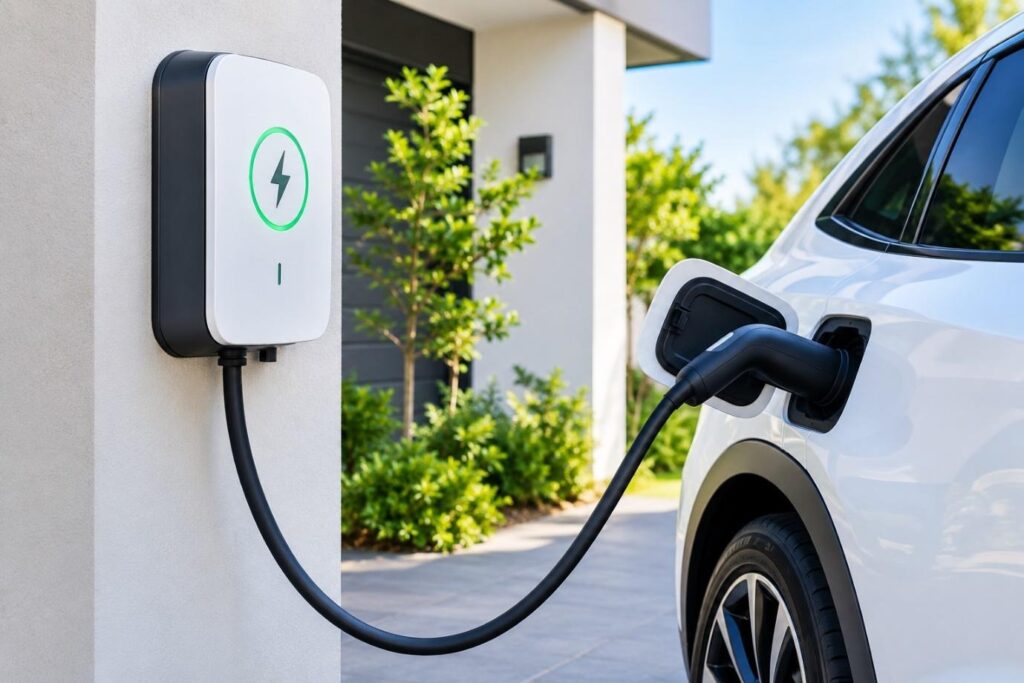
Choosing the Right Charger for Your Home
What typically happens is people pick the most expensive unit thinking it’s the best. Honestly a 7 kW Level‑2 charger from a reputable Australian brand like ChargePoint or ABB will cover most daily drives. The key is to match the charger’s amperage to your home’s supply without overloading the circuit.
Here’s a quick checklist to help you decide:
- Check the vehicle’s on‑board charger rating – most EVs in Australia accept 7 kW.
- Look for a charger with a cable length of at least 5 m; most Malvern driveways are long enough to need that.
- Prefer models with a built‑in ground‑fault circuit interrupter (GFCI) for added safety.
And if you have a solar array, consider a charger that can sync with your PV system. Um, in 2026, many installers in malvern can program the charger to draw power when the sun is shining, cutting down on grid use.
Preparing Your Electrical System – Compliance
The thing is, Australian wiring standards () are strict about dedicated EV circuits. You need a separate circuit, a minimum 10 mm² copper conduit, and a protective device that trips at 30 A for a 7 kW charger. Skipping these steps is a recipe for a future inspection fail.
Here’s what I tell people to do before any EV Charger Installation begins:
- Hire a licensed electrician who can certify the work.
- Get a load‑calculation report to confirm the panel can handle the extra load.
- Make sure the earthing system is intact; a faulty earth can cause dangerous voltage spikes.
And don’t assume the old breaker is fine. In many Malvern homes, the original breaker is a 20 A type that won’t ❄️hold up under a 30 A load. Replacing it with a modern, type‑B breaker is a simple swap that makes the whole system safer.
Hiring a Certified Electrician in Malvern
In my experience, the best way to avoid a nightmare is to pick a local, certified electrician who knows the suburb’s quirks. Look for a licence number that includes “EV” in the scope, and ask if they’ve done installations near the Malvern train line – those areas often have extra conduit routing challenges.
Here’s what typically happens when you contact a reputable installer:
- They’ll do a site visit and assess the distance from the main panel to the parking spot.
- They’ll provide a written plan that references compliance.
- They’ll arrange the final inspection with the local council which is required for any new EV charging point.
And if you’re worried about paperwork, a good electrician will handle the paperwork for the government rebate (up to 10 kW of charging capacity). That rebate is a one‑off claim, so you don’t want to miss it.
Practical Installation Steps – From Ground to Wall…
Below is a step‑by‑step rundown that most installers in Malvern follow. You know? I’ve broken it into bite‑size chunks so you can see exactly what’s involved.
1. Trenching & Conduit Laying
First dig a shallow trench about 300 mm deep from the service panel to the desired charger location. Use a PVC conduit that’s rated for outdoor use and at least 25 mm in diameter. The conduit protects the cable from rocks & future garden work.
2. Wiring the Circuit
Run a 10 mm² copper cable through the conduit, connecting it to a dedicated 30 A double‑pole breaker — The cable should be labelled “EV Charger” at both ends for easy future reference.
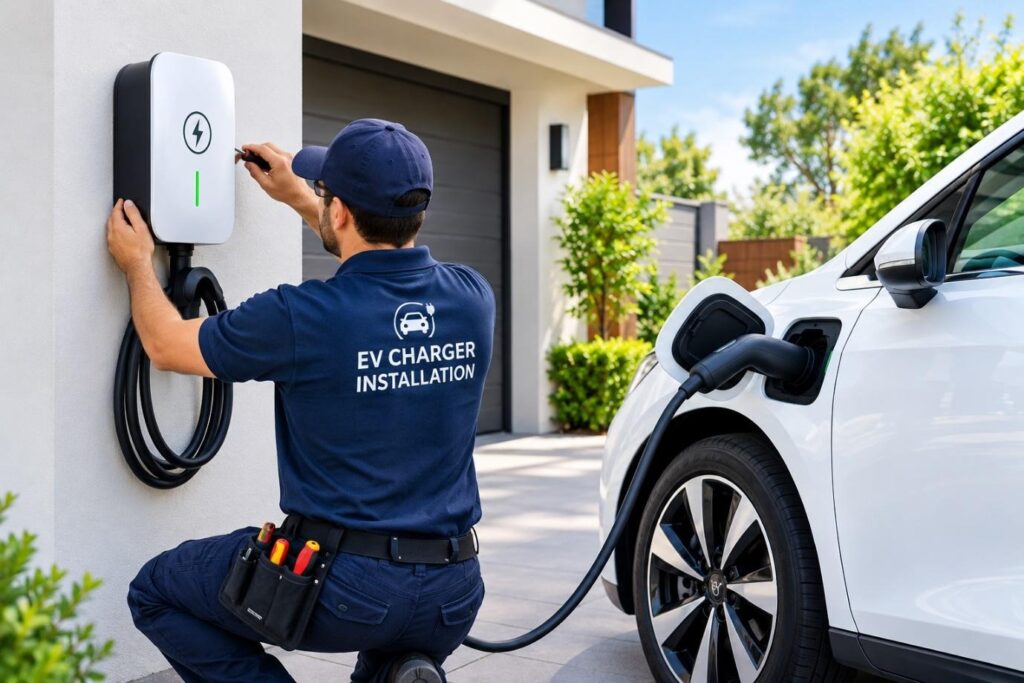
3 — Mounting the Charger…
Secure the charger to a wall‑mounted bracket that’s anchored into a stud or a concrete block. Make sure the bracket is level; a tilted charger can cause cable strain.
4. Connecting the EVSE —
Hook the cable up to the charger’s internal terminals, following the manufacturer’s wiring diagram. Double‑check the polarity & tighten all connections with a torque wrench set to 5 Nm.
5. Testing and Commissioning
Before you plug in your car, turn on the breaker & use a multimeter to verify the voltage is 240 V AC and the earth resistance is below 1 Ω. Then run a short charge cycle to confirm the charger communicates with the vehicle.
Managing Permits, Approvals, & Government Rebates —
What typically happens is homeowners skip the paperwork, thinking it’s optional. In reality, the Victorian Building Authority requires a permit for any new electrical work that exceeds 6 kW. The permit process in Malvern is quick if you have a certified electrician on board.
Here’s what you need to file:
- A copy of the electrician’s licence & a signed compliance statement.
- A diagram showing the new circuit route and breaker rating.
- Proof of the charger’s compliance with.
And don’t forget the EV charger government rebate Australia offers. The rebate is applied after the final inspection, and the electrician can submit the claim on your behalf. It’s a simple online form, but you must have the inspection certificate handy.
Maintaining Your Home EV Charging Point…
In my experience, a well‑installed charger needs very little upkeep, but a quick visual check every six months can catch problems early. Look for signs of moisture inside the weather‑proof box, and make sure the cable isn’t kinked.
Here’s a short maintenance routine you can follow:
- Wipe the charger’s exterior with a damp cloth – no abrasive cleaners.
- Inspect the GFCI test button quarterly; press it to ensure it trips.
- Check the conduit for any animal nests or water pooling.
And if you notice any error codes on the charger display, refer to the manufacturer’s manual before calling an electrician. Most issues are resolved by resetting the breaker or tightening a loose terminal.
Conclusion
EV Charger Installation in Malvern is a manageable project when you respect the local building practices, choose the right equipment, and work with a certified electrician. By following the steps outlined – from assessing your panel capacity to handling the rebate paperwork – you’ll have a reliable home charging point that stands up to the Melbourne climate — Remember to keep the installation compliant with, protect the wiring from the elements, and perform regular checks — With these habits in place, your electric vehicle will stay powered & ready for every trip out of Malvern.
