Researchers have been warning that if we don’t reduce emissions, our actions will have a permanent, irreversible impact on the environment. Fossil fuels commonly used worldwide are responsible for much of these emissions linked to rising temperatures.
As companies and governments emphasize solving the climate crisis, demand for clean energy is on the rise. It’s estimated that renewable energy sources will account for 90% of the increase in the world’s total power capacity this year. Renewable energy sources provide a cleaner alternative to non-renewable sources like fossil fuels.
Read on to learn about the different types of renewable energy and why they are beneficial.
What Is Renewable Energy?
Non-renewable energy comes from sources limited in capacity. They take such a long time to replenish that they are gone for good once we run out. Types of non-renewable energy include coal, oil, and natural gas.
Renewable energy comes from Earth’s natural sources that are constantly replenishing, like wind and sunlight. These types of energy do much less harm to the environment than their non-renewable counterparts.
Types of Renewable Energy
Although we think of renewable energy as the power of the future, it has been around for centuries. But, recent advances in technology have once again put it at the forefront. The most common types of renewable energy sources include the following:
Solar Power
Solar power harnesses the limitless supply of sunlight and turns it into electricity and heat. Solar power uses photovoltaic cells to convert light into energy.
Solar power has become accessible renewable energy in the consumer market as individuals can have solar panels installed on their homes from companies like Blue Raven Solar. Solar panels can provide clean energy to a single building or an entire neighborhood.
Wind Power
Wind power harnesses the wind to turn the blades on a turbine, and this motion then powers a generator to produce electricity. Wind turbines are often located in rural areas but are also placed offshore. Although wind power doesn’t generate any emissions, people do find the large turbines noisy and unsightly.
Hydroelectric Power
A hydroelectric power station is located in the natural environment
Hydroelectric power uses fast-moving water in rivers to turn a turbine and power a generator to produce electricity. Dams often have these turbines to make hydroelectric power. Although dams produce renewable energy, they aren’t considered clean energy because they divert natural waterways and negatively impact animals and humans.
Geothermal Energy
This type of renewable energy captures the heat released naturally by the Earth to heat water and bring it to the surface to turn turbines. To reduce its environmental impact, geothermal plants pump water back underground.
Tidal Power
Tidal power is a newer form of hydroelectric power that uses the force and motion of the tides to generate electricity. It is a reliable and relatively constant method of generating power. Energy is often collected in tidal barrages, which are like dams.
Benefits of Renewable Energy
Renewable energy sources aren’t all clean since they do produce some effects on the environment. But, many of these sources produce no emissions. As the world becomes more reliant, we can reduce the impact our emissions have on the climate.
In addition to the environmental benefits, the growing renewable resource industry creates more jobs to develop and install renewable energy sources.
Renewable Energy Is Here to Stay
Renewable energy has sparked a revolution in the energy industry as the world attempts to solve the climate crisis. Rising demand has led to advancements in the industry. With so many types of renewable energy, we have many ways to change how we get our power.
Are you looking to keep up with the latest renewable energy news? Check out our website for the latest technology news and trends.
Boosting your conversion rates is no walk-in in the park.
You’ll need to apply the right strategies, leverage the best-fitting tools, and learn a thing or two from others in the industry to convert more of your prospects into paying customers.
While there are many tactics to optimize your website for conversions and increase sales, this guide narrows down some of the tried and tested ways into five tips.
Read on to learn these five conversion rate optimization hacks to help amplify your existing marketing and sales efforts and grow your revenue.
1. Use popups
When used properly, popups can help you convince your casual website visitors to sign up to your email list and, ultimately, buy your products.
The key is to implement a strategy to ensure your popups help showcase your offer’s value to your potential customers instead of annoying them and driving them away.
Learn from these tips to use popups effectively.
Consider providing several offers such as premium content, PDFs, free stuff, and other products and assess which ones drive the most conversions.
Time your popups properly and avoid setting them to trigger as soon as visitors land on your page. Give shoppers a chance to explore first and get an idea about your brand before displaying your popups.
Ensure visitors can easily close your popups. The goal is to entice prospects into acting on your offer and not “trap” them into agreeing to subscribe or other actions. This can frustrate your visitors, causing them to abandon your website.
Configure a cookie, so your popup only appears once for each user. Again, the goal is to offer value and encourage conversions with your popups, not drive your potential customers away.
Emphasize your offer’s benefit so visitors can immediately see it. Doing so shows shoppers your product’s or service’s value instantly, enticing them to sign up or buy.
This popup from Frank & Oak is a classic example of a popup highlighting the offer with “Get instant 15% off.”
Landing pages have great potential to drive conversions and sales. If you’re not optimizing them properly, visitors might not read further than the headline and immediately leave.
You can miss tons of conversion opportunities, hurting your company’s profitability.
An excellent approach to ensure your headlines help you convert visitors is to wrap your entire sales pitch into a single bold sentence.
Use impactful headline types that can help you generate leads better and drive conversions, such as:
Direct headlines
Command headlines
Instructional or How-to headlines
Additionally, use headline analyzer tools such as Sharethrough. The tool scores your headlines based on engagement and impression.
The tool also shows the strong aspects of your headline and provides recommendations to improve it.
Create headlines that catch your visitors’ interest, solve a problem, answer a question, or offer information.
3. Leverage trust elements
The hard truth is, you need to establish trust with first-time website visitors before they buy from you.
After all, new visitors don’t know your brand and your product’s quality yet. Some might have heard of your brand but need a bit more reassurance that your business is legitimate and trustworthy.
The solution? Leverage trust elements across your website with these tips.
Keep your website up-to-date. A modern website design helps indicate that your website is active. This helps reassure customers that you’re a legitimate business and nurture trust.
Display contact information prominently. Show your potential customers how they can reach you. It’s one way of reinforcing that you’re a real business.
Providing support is an excellent way to nurture trust and generate conversions.
Show security seals. Display trust badges such as Norton and other security seals. This helps assure customers that their personal data, such as credit card information, are secure when they transact on your site.
Leverage media mentions. Show mentions of your brand by other companies and well-known institutions to enhance your brand’s credibility. These act as testimonials and social proof, helping you build trust with your prospects.
While it takes time and hard work to establish trust with your potential customers, using trust elements strategically can help reinforce your efforts and ultimately boost your conversions.
You can take this to the next level by optimizing your product categories for conversions.
The key is to ensure you don’t bombard visitors with individual products on your homepage. This can overwhelm your potential customers, leading to a negative user experience.
Instead, design product categories to deliver seamless shopping experiences with these quick tips.
Display your top-level product categories as visual navigation elements. This helps visitors browse your site with ease and find the products they want quickly.
Show the number of available items under each category. This can instantly tell visitors you have the item they’re looking for. Ensure this doesn’t create clutter and overwhelm your users.
Optimizing your product categories helps show your products’ breadth and depth without visitors going through hoops to find the items they want.
Note: If you find integrating product categories into your online store too technical, get a web design agency to help you out.
They can create and organize your menus without ruining your site’s navigation. They can also assist in your overall strategy to optimize your product page and categories for memorable shopping experiences.
5. Create persuasive CTAs
A clear call-to-action helps tell your visitors what to do next while enticing them to act on your conversion goals.
This makes it crucial to create CTAs that your visitors are more likely to click than ignore.
Here are some tips to help you create irresistible CTAs.
Consider using only one CTA on each page. A single CTA reduces confusion and distractions, helping visitors focus on performing the action you want them to do.
Adopt web usability best practices. This helps you provide user experiences that most visitors are familiar with, simplifying navigating your site and responding to your CTAs.
Run split tests of your CTA elements. Test variations of your CTA button’s color, size, and shape. For instance, you can test which CTA button color variation drives the most conversions and tweak accordingly for better results.
Make your offers clear through proper context. People are more likely to convert when they know exactly what to expect from your offer. It also helps to apply scarcity to make your CTAs more persuasive, encouraging conversions.
For example, if you’re running a webinar on summit vs. conference, you can include “Register now before slots run out” on your landing page.
Ready to drive your conversions through the roof?
Increasing your conversion rate requires strategy and creativity.
Put in the hard work now, and you should see some significant improvements, helping you grow your sales and business.
Kickstart your conversion rate optimization efforts with the tips in this guide and assess which ones get you the best results.
Mobile devices, such as smartphones and tablets, have changed the way that many people access the internet.
According to Statista, there are 7.1 billion smartphone users in the world now, which indicates that 80.76% of the world’s population owns one. These numbers show that a huge amount of internet users are now connected via mobile devices.
A very important challenge faced by businesses is how to reach out to both mobile and desktop customers without having to create and manage both a mobile app (iOS and Android) and a responsive website.
With so many people using mobile devices to browse the web, developers have started designing more simplistic websites for users who don’t have time to download bulky applications.
These websites are called Progressive Web Apps (PWA), and they behave like native mobile apps but can be accessed from almost anywhere with an internet connection. Because of this, PWA is the latest trend in web development.
In this Progressive Web Apps post, we’ll cover what PWAs are and the difference between Progressive Web Apps and native apps. We’ll also go over some of the benefits of developing a PWA and how organizations use PWAs.
What are progressive web apps?
As seen on monitors, the new website is developed
Progressive Web Apps (PWAs) are web applications that use modern web capabilities, such as service workers and push notifications, to deliver an app-like user experience, such as working offline or push messages, making them more user-friendly than traditional web apps.
Components of Progressive Web Apps (PWAs) include a website, which is the basis for your application; service workers, which allow PWAs to work offline or on low-quality networks; and a web manifest file, which describes the web app to the browser so it can be displayed full screen on launch.
Website
The first step is to create a website that will serve as the basis for your application. It should adhere to responsive web design principles and be as small as possible: the first interaction should be quick and painless. There is no need to install a development environment because PWAs are created using HTML, CSS, and JavaScript, just like any other website.
A website that uses different technologies (e.g. web app manifest, push notifications) to make it act like an app. The web app works like a normal website, but once saved to the device home screen, it can send push notifications and work offline.
Service Worker
A service worker is a script that runs in the background of your application. It is only active when you’re online, which allows you to send push notifications and keep data synchronized even when the web app is closed.
Website Manifest File
A manifest file is a simple JSON file, which tells Chrome how your web application should look once installed on the user’s device. It provides information about the application’s name, its icon, where to start or activate it, and more.
Top benefits of progressive web apps
There are many advantages of using PWAs over traditional native applications, and they include:
Smaller and lighter
The average application is about 25MB, while PWAs are usually less than 100kb. This is because the only file required to run a PWA is the manifest.json, which can be as little as 4kb in size.
Budget-friendly
They are a cost-effective way to engage with your existing user base and gain new users as they can be saved to the device home screen. It is also possible to send push notifications to both Android and iOS devices without building two separate applications.
Easy to maintain
Because PWAs are web-based, there is no need to update them separately. Instead, they can be updated as and when required, directly from the server. This means no additional storage space on the device is used as well as the user requires less effort as they don’t have to download a new application after an update.
Low bounce rate / increased customer engagement
PWAs provide a way for users to engage with your website even when they’re offline. For example, users who add your web app to their home screen won’t have to wait for it to load each time they open the browser, which leads to lower bounce rates resulting in higher customer engagement.
Offline mode
PWAs also work offline and can be used even when the device is not connected to a network. This is because the data required to use the application is stored locally. This means that your site will still be accessible even when a connection isn’t available, ensuring continuity of service and making it an attractive option for users with poor or no internet connectivity.
No app store submission
There is no need to go through the app store submission process and wait for approval. The Google Chrome store automatically detects changes made to the manifest file, allowing you to distribute updates directly from your server without resubmitting your app or making changes on a developer’s end.
Use of hardware features
PWAs can be used to access a device’s hardware, such as the camera or microphone, without going through the app store submission process. This is useful if you want your users to take photos and upload them directly to your website – something that would otherwise normally require an app store submission.
Mobile like behavior
PWAs behave like mobile apps and load instantly on devices. They can also send push notifications to users, which means you can stay in touch with your customers without them having to manually check for updates.
Progressive web apps vs native apps: Difference?
Progressive web apps are the future of web development and are easy to access
A native app is a non-web program designed for a specific platform, written in a programming language specifically for that platform. This means it can only be run on the operating system for which it was developed, while PWAs work across different platforms, including iOS and Android devices.
A progressive web app uses modern web standards to provide an app-like experience using Application Cache (AppCache) and service workers. These features must be used in combination to take advantage of the “app-like” nature progressive web apps provide.
One of the main differences between a PWA and a native application is that PWAs run on different platforms, while native apps are for one platform only. This means fewer development costs as well as app store fees. Additionally, there’s no need to build or maintain two code bases since they can be built and maintained on one platform.
PWAs run on browser-like websites, while native applications are installed onto a device like traditional software. This distinction makes PWAs more secure, reliable, and faster than native applications.
Cost of development and maintenance
Native apps require developers with expertise in the particular platform for which they are intended, as well as a great deal of time, effort, and monetary investment. This means native app development is usually more costly than PWAs.
Due to their browser-based nature, PWAs can be tested on real devices through an emulator or a simple addition of a meta tag on the website’s head section. No installation is required, so it can be tested directly from a web browser. This saves time and lowers development costs since no developer expertise is required for specific platforms.
Convenience
PWAs can be easily distributed and updated on the web, while native apps must go through an app store where they need to meet strict requirements set by platform owners. This means that the frequency of updates is greatly increased for PWAs.
SEO & discoverability
PWAs are discoverable through search engines, making them a quick way for users to find your app. Since they behave like traditional websites, PWAs also have the advantage of being indexed by search engines as opposed to only those that meet specific store requirements or those that are submitted as per store guidelines.
Security
PWAs are more secure than native applications since there is no need to protect the operating system or device from application threats.
Installation
A PWA does not require installation like a native application, making it easier and more convenient for the end-user. However, some browsers will prompt users to add the website as an app if they visit often enough. With this method, there is still no need for an application store submission or update process since PWAs can be updated from the browser itself.
Performance
PWAs are faster than native applications since they run on a web engine rather than directly on the device. In contrast, they may be slightly slower when compared to a fully optimized native app. However, this difference in speed is offset by their advantage of being updateable from within the browser itself with no outside interference required.
How Do Organizations Use PWAs?
Leading businesses are driving increased support for PWAs by adopting that they are used to their maximum potential. Below are some instances of progressive web apps to demonstrate the growing importance of progressive web apps:
Google is using PWAs in their NewsStand, which offers users the ability to browse various topics, download content for offline browsing, listen to podcasts, and more with little data usage. On top of that, Android users will now see an “Install” button when they search for apps on the Play Store – this feature will be rolled out later this year.
Apple app store functions as a PWA that allows users to search for apps from their browser, then install them from the mobile device itself. This is similar to how Google Search works on Android devices with the Play Store.
Forbes is using PWAs in a way to improve page views and time spent on their site. Instead of visitors having to wait for the web page to load with ads, Forbes has created a PWA that allows users to download content for later use when they have no connection. Additionally, when not online, users can still read articles from the cache version of the website allowing for a more fluid user experience.
Flipkart also uses PWAs in their online shopping experience by keeping track of user preferences and allowing for context-based search results. Customers can also integrate the Flipkart app with the website, so they don’t have to leave the device to check out.
Twitter has been using PWAs for a while now, allowing users to open the app from a mobile browser without going through any extra steps. This has been great for users since opening links from non-native apps fall back to mobile websites.
Conclusion: Are PWAs the future of web development?
PWAs are becoming more and more popular among smaller companies that want to increase their user base but don’t have the funds for a fully-fledged app. They’re also great for larger corporations who are already used to web software which can save them time, money, and effort when it comes to updating content or rolling out new features.
The bottom line is this: PWAs may not be able to replace native apps altogether in every industry – but they offer many benefits that make them worth considering if you’re looking into creating your own mobile application. If you need help deciding whether progressive web applications are right for your business needs, contact our web development company today! Our team of expert developers and analysts will show you how we’ve helped other businesses succeed with PWA solutions.
The need for small businesses to increase their market share in an increasingly crowded business landscape is more important than ever before. One way that small businesses can do this is through the use of various types of artificial intelligence (AI). Here are seven ways that these companies can use AI to increase sales and generate positive ROI.
1) Chatbots
When done correctly, chatbots have the potential to enhance the customer experience by helping customers quickly find answers about products or services. By using a chatbot, companies can provide customers with instant answers when they have questions about inventory, shipping dates, payment options, etc. For example, IBM has developed a chatbot called ‘Smarter Commerce’ which allows customers to communicate with AI-powered agents over live chat to get information about their purchases. This is particularly helpful for customers wishing to purchase high-end products where there are often questions that go beyond the scope of a company’s online FAQ page.
Chatbots can also be used as an early warning system for customer dissatisfaction, allowing companies to proactively address potential problems before they escalate. Using AI, companies can monitor social media platforms like Twitter and Facebook in order to spot unhappy customers who are discussing your brand or products on these sites. Monitoring this commentary allows companies to act quickly when something negative is being said about their company or product by flagging it for immediate attention.
2) Product Recommendations
Product recommendations are one of the most common ways for e-commerce businesses to drive additional sales by encouraging customers to buy more. Using AI, companies can analyze a large set of data about their users in order to make personalized recommendations based on what each individual customer has bought before or is currently browsing. Companies like Amazon and eBates use this tactic for increasing sales by collecting data from past purchases as well as items that are added to a shopping cart but not purchased.
3) Improved Customer Service
One way that small businesses can beat larger competitors is through superior customer service – just think about how Zappos gained a loyal following because of its unmatched customer service standards. Artificial intelligence can be used by small businesses to help them achieve these standards by improving the quality and speed of interactions between businesses and customers through chatbots, intelligent agents, and predictive text.
4) Improved Data Analysis
Due to the smaller size of many small businesses, they often don’t have access to large data sets that can be analyzed to drive important business decisions. By using artificial intelligence and AIOps, companies can take advantage of the ability of AI algorithms to analyze massive data sets quickly and efficiently in order to spot trends or patterns that may otherwise go undetected.
This allows businesses operating on a limited budget to make better business decisions because they will have access to more data than ever before which will allow them to make smarter choices about their company strategy without needing massive amounts of capital investment.
5) Better Inventory Management
One way that small businesses can improve their return on investment (ROI) is through effective inventory management. Smaller companies often struggle to keep track of inventory because they can’t afford the luxury of dedicated IT personnel who could be tasked with this responsibility. By using artificial intelligence, companies can accomplish tasks that would normally require human intervention, like predicting future product demand by examining current sales or automatically reordering products when inventory has fallen below a set threshold. This type of optimization results in less time spent managing inventory which allows employees to focus their attention on other important business concerns.
6) Automated Employee Scheduling
Another way that small businesses can use AI to improve ROI is through automating processes that are traditionally completed by humans. Using AI, companies can automate scheduling for back-office functions like accounting and customer support but also for front-line workers within specific departments like marketing or sales. Artificial intelligence can be used to track individual employee productivity and use this information to automatically assign tasks throughout the day based on each person’s work capacity.
7) Improved Customer Targeting
Small businesses often struggle with an inability to target their ideal customers due to limited data about these individuals. By using artificial intelligence, companies can now collect massive amounts of data continuously about consumers in order to find patterns that indicate who their most valuable customers are. A wealth of information collected from social media accounts, online shopping behavior, web browsing history, etc., allows companies to identify customer needs at a micro level which allows them to serve up targeted offers or advertisements through email marketing platforms or social media sites like Facebook & Twitter. One way that small businesses can proactively embrace AI is by partnering with a digital marketing agency that understands the benefits of using advanced technology and can help their clients implement it in order to remain competitive.
Since smaller businesses often do not have dedicated data scientists or machine learning experts on staff, they should look for an agency that offers a team of experts who can guide them through the implementation process and explain how AI can provide a multitude of benefits. With proper guidance, small business owners can understand what types of tools are available to them and how they work so that they can make educated decisions about which technologies would be best suited to their specific company needs.
Though artificial intelligence may conjure up fears of our robot overlords, many forms of artificial intelligence exist today – from chatbots on websites to email marketing platforms that proactively suggest content to send out to customers. As long as businesses are able to understand how these tools work and harness them for their own purposes, AI can be a powerful tool for growing small businesses.
Webinars add significant value to any business. In modern companies, webinars are used for marketing, educating, training, or product launch. Whether you want to promote a new business or increase sales of an existing business, webinars are beneficial to get things done.
In this article, we have penned down some of the top benefits every organization can get by using webinars for their business.
Top reasons to use webinars for your business
Position yourself as an expert in your field
Even though you conduct a free webinar, your audience cares about it a lot. And a free webinar doesn’t mean that you cannot exchange valuable content during the webinar. Your audience has to book a slot for your webinar, mark the date in their calendar and give you more than 1 hour of their time to listen to you. It positions you as an expert in your field, even before you start the webinar.
Communicate with people around the world
It is one of the crucial reasons why webinars are considered effective channels of marketing for any business. You can communicate with any number of people around the world, virtually, through webinars. Moreover, both the host and the audience need not move out of their homes or offices to attend the webinar.
Is it possible for every client to travel across the globe to have 1-on-1 sessions? Every business cannot afford 1-on-1 meetings all the time. 1-on-1 meetings in person are more effective in any business than webinars. So, having a remote webinar helps the hosts to connect with hundreds of audiences at once at no extra expense.
Keep your audience engaged with valuable content
Webinars are best for two reasons: Scarcity and engagement. In the first scenario, when the audience misses either a part of an entire webinar, they will miss the valuable content you will deliver. Hence, it gives a feel of scarcity to your audience. They feel the pain of missing your webinar.
In the second scenario (engagement), every audience can chat with you, ask their queries, and solve it instantly. When the audience gets their queries answered, they feel more engaged and focused on your content. Ask your audience as many questions as possible and prepare tailor-made content for them. It will help you establish short trust among your audience and generate sales with no or minimal cost.
Generate new leads and build a relationship
Every business runs on leads. A company with high-quality leads never needs to worry about growth. Webinars are one way to generate high-quality leads for any business, as they attract a new set of audiences and ultimately convert them.
For every webinar, registration is a must. When registering, people leave their personal information like email ID, phone number, and address to attend your upcoming webinar. It means that the audience is interested in whatever information you share during the webinar and opted to join.
You can generate new leads for your webinar through organic promotions like referrals, affiliates, etc., or by running paid campaigns on social media platforms like Facebook, Twitter, etc.
Once you have the new leads generated, it is time to share valuable content in your webinar. You must help the audience understand how your product can help solve their problems. Once they start interacting with you over the webinars, a relationship is established.
It will create a great first impression among the new leads and help you drive either regular conversions or seasoned conversions.
Invite guests and leverage their audience
Having industry influencers and specialized guests at your webinar will often help you leverage their audience to drive attendees. Webinar platforms like Clickmeeting allow you to invite multiple guest hosts to make your webinar more effective.
Apart from getting exposure for your business, you can also borrow the credibility of your guests. Since the industry expert is associating their name with your brand, you’ll further establish yourself as an expert. The result will be an increase in attendance rates, social sharing, and overall excitement.
Speed up your sales process and ROI
Revenues are significant to drive your business. If you are unable to convert your potential leads to customers, your business cannot grow fast. Webinars can help to speed up this process as it does the initial funnel set up for you. It enables you to build trust, kill your customers’ doubts, and deliver value to them in the shortest time.
For example, if you have spent $5 to run ads and get each signup for your webinar, and your webinar gets $5 average earnings for every audience, then you already broke even. Post webinar, whatever sale you make is considered a pure profit.
Conclusion
Webinars are one of the most potent ways to improve sales for your business. Whether it be increasing sales, generating new leads, or training your customers, webinars prove to be very effective.
For all companies, the hiring process should be one that is careful and considered. Even when hiring quickly, it is crucial to make sure that the employees you’re bringing in are a perfect fit for the company.
In the last few months, there has been an investment boom in the UK tech industry, with IT and tech vacancies now accounting for 13% of all UK job vacancies. This is the perfect time for companies to pursue graduate hires, as they can offer something truly unique to this industry.
Bringing a fresh outlook, adaptability, and ambition in abundance, there are a number of reasons why you should consider graduate recruitment and plenty of ways that these young individuals will help grow your business.
The FinTech Sector
One specific technology sector that is of interest is the FinTech sector, which has witnessed unprecedented growth over the course of the last few years.
With the UK standing at the forefront of the global FinTech scene, it is the perfect industry for tech-minded graduates to look at pursuing. As a dynamic and ever-growing industry, it is also precisely the sort of work for which graduates should be hired.
Graduates are flexible, diligent, and forward-thinking individuals, who are so well-suited to these expanding industries. So, when considering FinTech hiring, graduates should be at the top of companies’ lists.
Key Reasons Why Tech Companies Should Hire Graduates
Graduates Understand Technology
Today’s graduates represent a generation of ‘digital natives’ – those who have been brought up during the age of digital technology. Naturally, this means they are more in tune with digital products; and regardless of their role – whether it’s in IT, marketing, or a client-facing position – will be better placed to understand technical problems, terminology, and trends.
This means graduates are the sort of employees that can settle in very quickly, as the onboarding process will be streamlined by their natural prior knowledge. They’re very likely to possess a level of comfort with technology that cannot be guaranteed in other candidates and will assure you that your new hire is well on their way to helping your company turn better profits.
Graduates Have The Skill Set
There are hundreds of thousands of people studying Computer Science degrees, and that’s not taking into account other STEM degrees like Engineering, Mathematics, and Physics. This means that there is a wealth of students with in-demand IT skills who are graduating year on year and are on the lookout for high-end tech jobs.
Likewise, more and more young people are upskilling: developing IT skills off their own back through coding programs; learning AI; machine learning and blockchain university societies; and hackathons. Not only do today’s students and graduates possess an interest in digital products and innovations, but they are actively building up their skill sets in their own time, and are becoming increasingly prolific in the tech expertise they can offer.
Graduates Are Affordable
One of the main advantages of recruiting fresh graduates is that hiring them costs far less than more experienced candidates. The average starting graduate salary is at the very bottom of the general salary bracket for IT & tech roles, so you can be expected to be spending far less on hiring young, with all the benefits that graduates naturally bring!
Graduates can offer a proven return on investment. By hiring a talented candidate on an entry-level salary, and investing in their professional development, you can mold your graduate into what you want them to be. You can set them to work across several areas of your business, enable them to learn a number of new skills (both technical and non-technical), and turn them into an incredibly valuable asset for the company.
New Perspectives
Straight out of university, uninfluenced by previous jobs, and have just arrived at your company, graduates will be able to offer a completely new perspective – one that might force you to look at things in a different way and modify out-of-date practices.
Graduates are also likely to be in tune with current trends, especially digital ones – something that will prove extremely valuable as technology continues to revolutionize every industry. A natural aptitude for technology that graduates tend to possess will prove to be invaluable as your startup grows and looks to advance its online presence.
So, there’s no need to wait around! If you’re hiring for a tech company, start thinking about hiring graduates now!
It is hard to deny that over the last couple of years, the digital tide has brought down the floodgates and swept away everything in its path. As a result, all facets of our lives have been profoundly changed by digital tech. Of course, the business world has not been excluded from this tectonic movement.
On the contrary, being so dependent on the latest fruit of tech innovations, companies of various scales and industries have always tried to catch the wave and get ahead of the competition. Of course, this competitive edge is reserved only for the leaders of the pack.
So, let us take a look at a couple of ways you can set your business for digital transformation and set the pace of the industry instead of following disruptors.
Embrace the idea of perpetual evolution
Let us start this discussion by stating that all the steps we are going to cover in the following passages are not a temporary measure. Digital disruption has become a new normal. Smartphones have become an integral part of our lives and AI is taking over more and more tasks from human employees.
These circumstances are not going to change, let alone revert to the old status quo. On the contrary, the shadow digital technology is going to cast over the business world is only going to grow. So, be prepared to approach this issue more as an ongoing evolution rather than a one-time overhaul.
Take a cue from other industries
This is especially true if you are working in the SMB sector and don’t have the privilege to engage in expensive experiments. What you should do instead is always keep one ear on the ground, see what’s going on in other niches and do your best to emulate the moves that are making the most sense for your specific industry.
For instance, we are all noticing that the sale of printed media is on a constant decline. This could be one of the cues telling your marketing team that traditional printed newsletters and leaflets are probably not the best way of appealing to a modern tech-savvy audience.
Consider outsourcing tech-related departments
Setting your company up for a digital transformation doesn’t necessarily have to entail extensive and taxing infrastructural changes. On the contrary, one of the greatest advantages of present-day digital tech is that all these tasks can be carried out by third-party vendors while your efforts can still be concentrated where the money is made.
Let’s say you want to move your operations to Cloud and start using Amazon Web Services, you can simply outsource this activity to a professional AWS cloud management team without having to develop the department in-house and train new employees.
Think outside the box
When talking about digital transformation and disruption, most business owners think about the ways to leverage the latest digital assets in order to increase productivity and efficiency. However, you have to be aware that digital tech is far too holistic for such short-sighted goals. So, while you are building the foundation for your future transition, keep in mind that digital technology can be used for team bonding activities, encourage creative thinking, provide your workers some much-needed distraction, and as a reward. Setting up all these things from the get-go will save you a lot of effort down the road.
Update your business model
Tying your business closer to the currents of the digital world can only be effective if changes are not applied only at a surface level. A couple of useful cloud tools and cheap gimmicks simply won’t cut it. That is why you should adopt the very core of your business for the changes awaiting ahead.
So, think about how digital technology can become an integral part of your business facets and particles in the following period. Some of the most important questions you should answer are:
How digital technology changes daily operations
How transition affects workforce (existing employees and new hires)
At what instance will new tools be implemented
Will you need to adjust the essential functions of the company
How digital tech affects the market position
How new tech affects the customer base
Improve core products and services
The goal of every big corporate overhaul is to improve the efficiency of the company and generate revenue. This job will be made considerably easier if your digital transformation goes hand in hand with the new set of improved products, features, services, and marketing strategies. Digital technology can do a tremendous job in helping you grow, but it can’t carry the weight of the entire company on its shoulders. The foundations of your company should be made of top-tier products and services. So, using the digital transformation to fine-tune your business portfolio can only help your efforts.
We hope these few suggestions give you some general idea about the steps you should take to tie your business closer to the ongoing evolution of the digital world and, as a result, set yourself as a leader and disrupt your own market. The business world always relied on the latest-gen tech to evolve and grow. Digital tech only speeds this process up to an extreme and makes early adoption imperative. So do your best to be the disruptor rather than disrupted.
A national survey on vaping conducted in 2018 revealed that 9% of the American adult population, roughly 34 million people, constitutes moderate to regular vapers. The substantial ready market attracted countless investors to set up shop in the vaping industry.
However, regardless of the ever-growing vape market customer base, customer acquisition remains a big challenge for most vape vendors. Online and traditional media restrict overt advertising, limiting contact with potential consumers. While vape product marketing is dicey, it is doable. Find out how to promote your brand’spremium vape juice flavors and venture into new vape markets below.
1. Position Your Brand as a Consumer Education Hub
The internet is rife with businesses peddling countless products due to the immense potential online platforms present to vendors seeking to venture into new markets. However, the downside to the crowded marketplace is numerous adverts that cause advertising fatigue among potential consumers, causing them to avoid engagement with sales brands.
Consequently, effective customer acquisition strategies entail offering a value proposition rather than direct selling. Customers respond to and share enriching content, like consumer education pieces, generating organic traffic to your website.
Therefore, helpful information like types of vape products, buyer’s guides, vape kit maintenance, and vape tutorials attract more engagement. Moreover, investing your marketing resources into consumer education helps position your business as an authority in the vaping industry.
You can achieve your consumer education goal by posting blog posts about pertinent vaping subjects on your website; blogs are also fundamental SEO tools. Use Keyword tools and data from your analytics page to create evergreen content that potential and current customers will find helpful and shareable. Alternatively, you can create a community forum whereby consumers interact and share their vaping experiences. Consumer education helps nurture trust and confidence in your brand, prompting consumers to buy your products.
2. Create and Implement an Online Marketing Strategy
The FDA regulates vapes and imposes display requirements for vape product advertisements; it recently issued marketing denial orders for over 50,000 e-juice flavors. Besides the FDA, major search engines and social media platforms restrict paid adverts that stimulate or make vaping seem attractive from their platforms. However, you can do much more than blogging to promote your vaping business online despite such restrictions. Here’s how to do it:
Search engine optimization (SEO): SEO is an essential part of digital marketing, which entails positioning your brand to rank top in a search engine’s algorithm. These are some of the most effective SEO strategies:
· Optimize your product descriptions, landing pages, about pages, and social media pages providing valuable content.
· Use internal links and backlinks on your blogs and landing pages.
· Enhance your website’s navigability with a user-friendly interface, shopping category filters, and a word-predictor search function.
Email marketing: While social media platforms and search engines impose bottlenecks for marketing vape products, email marketing tools have no restrictions. Statistics show that email marketing has the highest ROI of all online marketing strategies and that personalized emails have a 50% open rate. Therefore, create prompts that urge customers to submit their email addresses without coming off as pushy and create a customer database.
Lead-generation tools and web browser analytics: These tools help you monitor customer behavior and create customer cohorts based on customer behavior commonalities. Use the submitted contact information from your customer database to send emotionally appealing content that addresses innate customer needs to specific customer cohorts.
Promote your website in top vape sites: You can also have reputable independent vape-centric websites feature your brand on their platform or pay for pop-up ads on such websites and legit mobile vape apps. You can also enlist your brand on reputable online vape shop directories for enhanced visibility.
While social media platforms can restrict vape product direct advertising, they cannot sensor individual opinions on vaping. Therefore, influencer marketing is a viable marketing strategy to boost your vape business.
Some vape marketers are wary of influencer marketing due to supposedly high budgets and difficulty in measuring ROI. However, you can lower influencer marketing costs by partnering with micro-influencers and nano-influencers rather than macro-influencers with exorbitant rate cards. Moreover, micro-influencers and nano-influencers have better engagement rates that translate into better ROI.
A clear influencer marketing strategy with preset KPIs and associated metrics also increases campaign success. However, the most crucial element is selecting an influencer whose brand aligns with your business’s core values; give them creative freedom.
Photo-centric and video-centric channels work best for influencer marketing. So, have an influencer post about their favorite vape flavor from your product catalog and other relatable experiences that will draw customers.
Consumers attach great importance to added value and actively search for brands with a little something extra to offer. Meeting customer needs for supplemental value will endear your brand to your customers.
Even though the FDA prohibits issuing free vape samples to consumers, you can offer alternatives like complimentary gifts, bulk purchase discounts, and free shipping according to specific terms and conditions. You can also utilize email marketing to inform customers of your latest deals.
Conclusion
Despite multiple bottlenecks on vape marketing, vape marketing campaigns are powerful if targeted at a ready audience with the correct message. Using these simple tips in your marketing strategy will help you nurture leads and grow your vape business.
Life after the pandemic has changed the way people work. Companies who never considered remote work, are now embracing this as the new way of doing business. Their staff are working from home in higher numbers than ever before, and they are thriving. This new way of doing business has been tricky for some. But once they implemented these technologies, they are finding more success in the virtual workplace. It’s important to recognize that companies in many different industries can use remote workers for much of their support staff if they have the right infrastructure in place. Here are some of the essential tech needs of any remote team.
Good Computing Systems
Send your staff home with good computers. Systems with enough RAM and storage are more likely to work harder and can better access cloud storage files. They’ll be able to process larger files which can benefit companies with creative design teams. Additionally, tech teams need good systems so they can access other computers remotely to repair problems and identify issues. Good computing systems are essential tech tools already but are even more important when everyone is working remotely.
Video Conferencing Tools
It’s possible to have a meeting with people from all over the world by leveraging the power of video conferencing. While there is an energy and a dynamic that happens during in-person meetings, the ability of people to meet and get things done remotely is possible. There are many different conferencing tools on the market. Each one has strengths and weaknesses that businesses can use for their specific needs. It’s also important to choose tools that can be used on lower internet bandwidths in the event that some of your staff don’t have higher speed internet service at their home location.
Time tracking tools
The concept of work-from-home offers an unprecedented level of independence for an employee, which is a change for good. There is a strong correlation between the level of job control and productivity, confirmed in a number of studies. At last, it is the remote employee’s own responsibility to optimize his or her work style for better performance and well-being. That brings us to the concept of time tracking, developed all to make your time expenditures accountable. While the market offers numerous time tracking apps for the purpose, software-mediated time tracking is often a tedious task, to say the least. Luckily, smart time tracking gadgets have emerged lately, making the process much more user-friendly and engaging.
Team Chat Apps
It’s easy to walk by someone’s office in the middle of the day to ask a question. But if you send an email, you’ll likely get lost in the sea of messages they get each day. When you work from home, you probably aren’t going to drive by their house just to ask one question. Instead of emailing a coworker, many companies use chat apps for asking quick questions when you need a response right away. This is especially helpful for teams working together on projects. It helps people communicate quickly so everyone can be as productive as possible.
Cloud-Based Storage
On site servers are becoming a thing of the past. The security needs for servers can be costly and they are difficult to maintain. Instead, many companies are moving their documents to cloud-based solutions. These storage sites are easier for individuals to access from home, but still provide security that protects the documents and intellectual property of the company. Cloud-based solutions mean that employees can access the information they need from anywhere in the world as long as they have their login information. It also allows better collaboration between teams because documents can be easily shared within the cloud systems instead of emailed back and forth.
Social Media Customer Service
More companies are moving towards offering customer service solutions via social media. Let’s face it, more and more people would prefer not to use the phone to follow-up with a company on an issue. Using social media improves client retention by offering help where they spend their time. This is a great tech opportunity for companies with remote staff. It’s easy to create a customer service team focused solely on giving help via social media. When people look online for help desk info, it’s more likely people are looking at your social media pages than at your CPA website.
VoIP Phone Systems
VoIP phone systems used to be very expensive and difficult to implement. Because of the rise in VoIP, especially in call centers, more companies have developed solutions that can route phone calls to your cell phone instead of a clunky desk phone. There is still a market for both types of systems, but if you need to go remote with your team quickly, one of these app-based systems provides a quicker solution. You can route any extension to any phone you want, create customer service profiles, and even show who’s on the phone at any given time. Additionally, many of these systems record phone calls which can be great for training purposes.
Google has a new feature called Beta Discover Follow. What is this feature all about? Are you aware of it? If you are into digital marketing, then you must have to know about this new feature. It is obvious that you need to optimize your website according to this Beta Discover Follow feature. Without knowing more about this feature you cannot leverage this feature. Don’t worry, you are not too late. You can benefit from this feature. Still, you can learn how to optimize for Beta Discover Follow. Here we are to help you with this.
What Is Beta Discover Follow?
Before you start knowing how to optimize for this feature, you need to know what this feature exactly is. Beta Discover Follow is a feature that enables webmasters and digital marketers to follow desired websites to discover every new content published.
Google discover feed is used in this feature. Users can now easily track the latest content of any website. This feature can help search engine optimization expert and digital marketing company.
Benefits of Beta Discover Follow
There are many benefits of the Beta Discover Follow feature. This feature is new but still, it has the capability to impact the whole industry. The first benefit of this discover follow feature is that it can be used to follow the websites accurately. It can help you a lot in content strategies. You can develop content strategies that can help you a lot. By following the websites and their content, you will better know their content strategy. It will help you compete with all the other publishers in content marketing. On the other hand, there is a huge benefit for publishing websites. Websites will get more followers and more readability.
How to Optimize for It?
This feature is easy to use for your website. You just need to optimize your blog or website in a way to avail the benefits. But how to optimize for the Beta Discover Follow feature? Here is the complete information about how to optimize your website for Beta Discover Follow feature. However, Google doesn’t need anything from the publisher’s side. Publishers can directly avail of this feature. But there is something that is really important when Google talks about the RSS feed of websites. RSS feed must be maintained when you are going to avail the benefit of Discover Follow. Other than RSS, the Atom Feed can also help you in this. Because it will help Google get all the latest content systematically.
Work On Feeds
Google has some guidelines for feeds. You need to manage feeds in a way to get more benefit from this feature. You need to optimize feeds in a better way. Hub and leaf feeds are required for this feature. Websites must have to add their feeds into Hub and Leaf pages. The leaf page feed can also be helpful in categorizing feeds. All the content categories can be created. It helps in structuring your content for feed.
Multiple Feeds
Multiple feeds are also required for this. Google’s documentation for the new Beta Discover Follow feature clearly describes it. Multiple feeds must be mentioned on the homepage of a website.
Summary
Google’s documentation about Beta Discover Follow is very clear to understand. This documentation tells that publishers can avail the benefits with more followers in the Google Discover feed. Users are given the opportunity to follow the websites in the Google Discover feed. Now is the right time to optimize the website according to the Beta Discover Follow feature.




 Miley on December 3, 2021

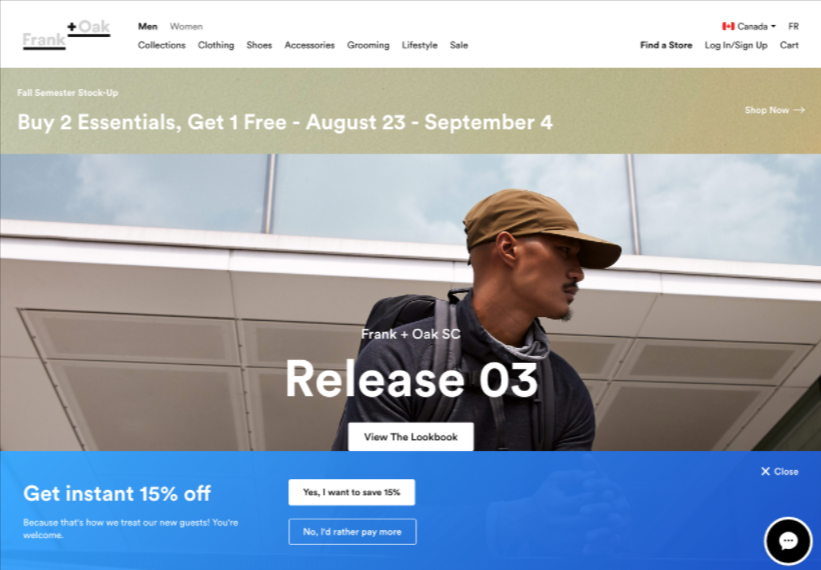















 Image Source: